

A Space Between
Why we are starting a Substack - and what to expect

As many of you now know, we’ve decided to start a studio Substack. Thank you for subscribing and following along - we really do appreciate it.
First things first: Why here, and why now?
The answer is simple: we want to carve out time and space for deeper thought - and to reassert a hierarchy where words and ideas come before images.
This is partly a reaction to what the architect Timothy Hill recently described as a “picture world.” Today, it feels like architecture is often encountered as fleeting fragments on screens: chaotic, kaleidoscopic, and too often stripped of the complex thinking behind it. In this way, we are forming this newsletter is a complement, and counterpoint, to image-based platforms like Instagram.
Like many practices, we have used Instagram for quite some time. Our first ever post – a balsa model of Three Piece House – was posted before Trias had even begun. That project helped establish our studio and our reputation. As a project, it also embodied many of the values that still underpin our work today.
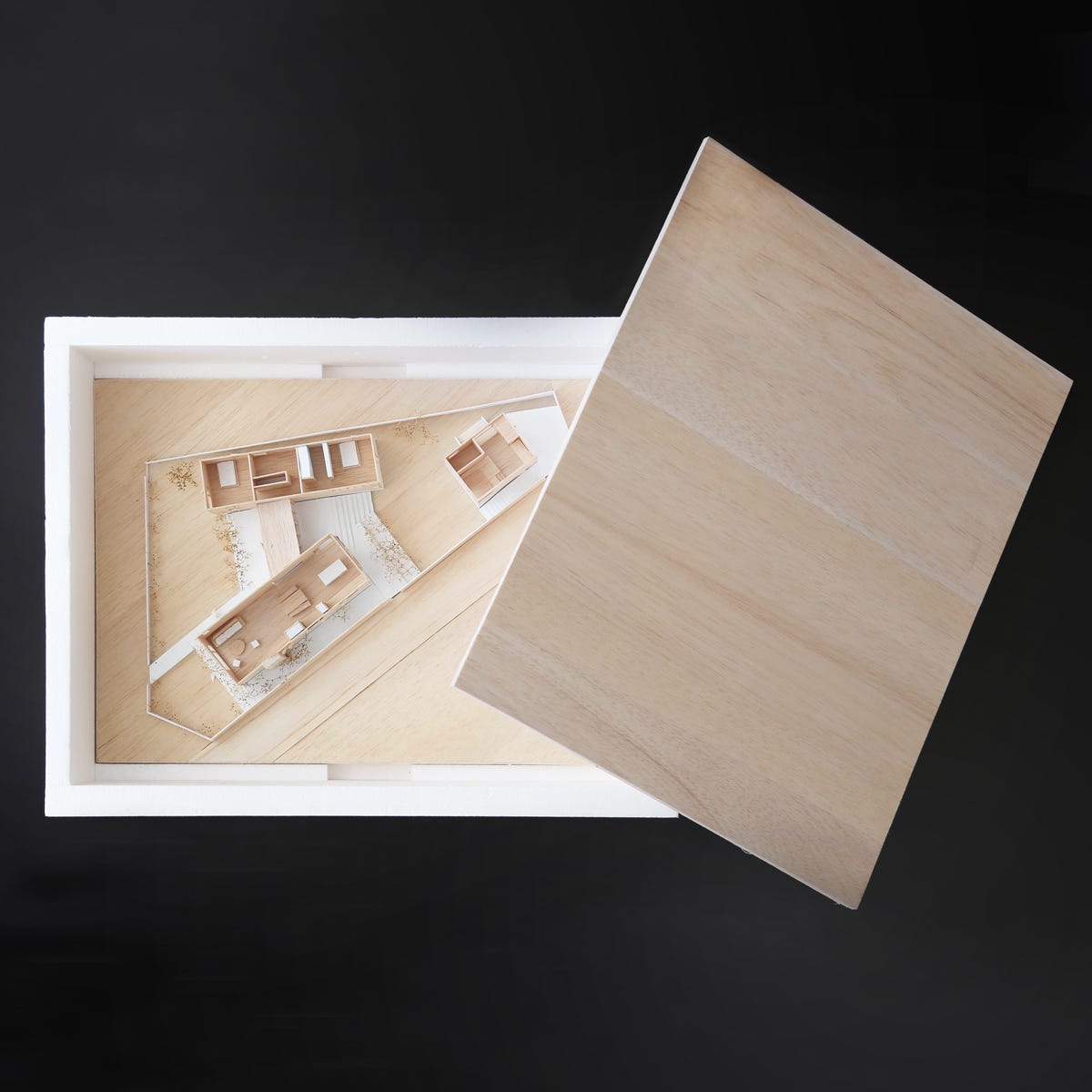
But nearly a decade on, the landscape has shifted - and so have we. Instagram is now a cornerstone of the attention economy and is more addictive than it once was. We’ve realised we don’t want our work - the result of years of thinking, collaboration, and care – simply reduced to another square on a scrolling feed. We don’t want our words capped by character limits or our success measured by metrics that we don’t define. And we certainly don’t want to inadvertently do a disservice to the rigorous work that we do as architects.
The broader intellectual landscape is changing, too. The rapid rise of AI will accelerate a flood of content - and with it, what some are calling enshittification. Critical thought is already being drowned out by endless noise. It is becoming difficult to discern truth, and fact, from conjecture and opinion. And I think we all know, and feel, that buildings often feel divorced from their context, and distilled as moments, are becoming mere fractions of their whole.
Because of this, we’ve found ourselves stepping away from parts of the internet and returning to our libraries and their shelves full of books. We’re putting down our phones and tuning out of certain feeds. And with these small acts, our minds - and our creativity - are expanding again.


At Trias, we’ve always believed in doing things with intention. This is no different. Launching this newsletter is, in part, a way to swim against the current of how architectural culture is consumed and produced today. For us, writing, thinking and investigation have always been inextricable from making buildings, both supplementary and necessary. This is why we are here.
We want to write and explore things from a place of curiosity and joy; to investigate the tangents and ideas that underpin architecture not out of obligation, but because we want to. And we want to help build a counterculture, even if our contribution is small, or only absorbed by the few. The British magazine AR wrote recently that “without critical minds, there is no future worth building.” We want to embody this ideal, via this action and by using words.
Substack feels like the right place to begin this process. It prioritises thought and the written word, cultivates community, and supports creatives in meaningful work.
So here we are, on the cusp of this experiment. We don’t know exactly where this will go, but it feels good to begin.
What will you find here?
This newsletter is envisaged as a space between. It is intended to occupy a place between the day to day of architectural practice and forms of deeper reflection.
It will provide a snapshot into who we are, what we are doing, and what we care about.
It will capture what’s on our desks and what we’re wrestling with as we continue building the kind of practice - and architecture - we believe in. And it will serve as a vehicle for research as we grapple with what it means to design and build in a rapidly changing world.
We’ll follow an annual rhythm, anchored by four substantial essays each year. These quarterly pieces will be deep dives into materials, precedents, or architectural ideas. They’ll be essays to read over lunch or on a weekend, designed to enrich rather than distract. They’ll be unapologetically long.
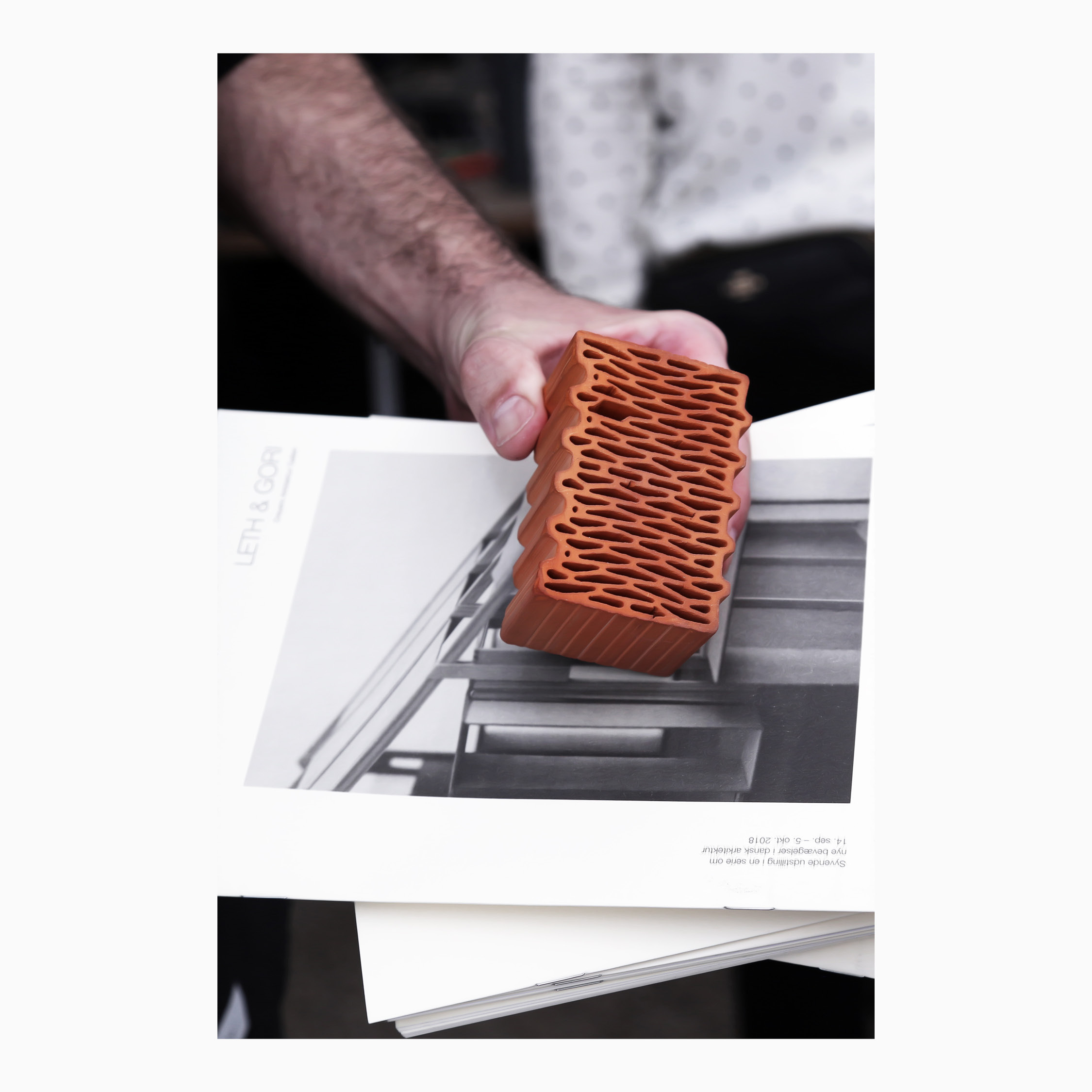
Between those, we’ll share shorter reflections and touchpoints. We’re hoping these feel like welcome interruptions rather than shitty inbox clutter. Some of the ideas we’re exploring include:
Trias Reads: a book that’s inspiring us and our thinking
Trias Talks To: conversations with clients or collaborators
From the Archive / On the Desk: glimpses of past and current projects
Notes on Small Practice: reflections on running a studio and life in small practice
These won’t arrive weekly just to appease an algorithm. They’ll be seasonal, intentional, and - importantly - written by us.
We remain energised by the imperfect, circuitous, and endlessly unknown process of making and inhabiting buildings. Sometimes that means stepping back and trying something new.
We hope this space will inspire you. Even today, as we uncertainly begin, it is providing fresh fuel for us.
Thank you for reading.
+++
Current curiosities
We have wanted to write this newsletter for over five years now, and like a lot of things, it’s taken time (and space) to get there. Another catalyst was this interview with Ezra Klein and Kyla Scanlon. It includes a fascinating discussion about AI and its impacts on our collective future.
We have been heartened to see the inaugural Copenhagen Architecture Biennale focus on the theme “Slow Down.” The title is a reaction to the ‘Great Acceleration,’ a historical period underscored by rampant consumption and growth. We couldn’t agree more with this premise; we all need to slow the f*** down. We hope all our Danish friends are soaking it all in.
Closer to home, the academic Philip Oldfield recently contributed to this Guardian article responding to Australia’s 2035 emissions targets. Oldfield argues for two things: a “renovation wave” that retrofits existing, poor performing housing, and meaningful regulation on embodied carbon. As a practice tackling both these things in our work and research, we fully endorse his argument.
Last of all, our Minima project, and its most recent iteration, Practice Ground, received a Commendation at the 2025 Holdmark Innovation Awards. These awards are now in their third year and recognise excellence and innovation in the built environment. Congratulations to the well-deserving winner, the First Building by Hassell, along with our fellow commendation winners, Woods Bagot, for their work on Central Station in Sydney. Equally, we extend our congratulations to our wonderful collaborators at FabPreFab and our clients, Phil and Zach.